Curious what “walkable living” really means in Claremont? Near Claremont Village, it usually does not mean giving up your car completely. It means having the option to park once, handle part of your day on foot, and enjoy a neighborhood rhythm shaped by shops, parks, events, and transit. If you are thinking about buying, renting, or selling near the Village, this guide will help you picture how daily life actually works. Let’s dive in.
Claremont Village Sets the Pace
Claremont Village is the city’s historic downtown core, and it plays a big role in how this part of town feels day to day. City materials describe it as a central gathering place, and the area is designed around a pedestrian-friendly pattern of storefronts, mature trees, and human-scale streets.
That matters because walkability is not just about distance. It is also about whether a place feels comfortable and practical to move through on foot. Near the Village, the public plaza, compact blocks, and steady mix of shops and restaurants create that kind of environment.
Metrolink also describes the area as very walkable, with dozens of shops and restaurants and easy access from the Claremont station at 201 W. 1st St. That connection helps make the Village more than a weekend destination. For many residents, it becomes part of the weekly routine.
What Walkable Living Looks Like Daily
In real life, walkable living near Claremont Village often looks more car-light than car-free. You might drive home from work, leave the car parked, and head out again on foot for coffee, dinner, a quick errand, or a community event.
You may also find that your walking radius changes by the day. Some days are about staying close to the Village core. Other days might include a longer walk toward the colleges, the train station, or a nearby park.
The benefit is flexibility. You are not relying on walking for every single trip, but you have the option to do more without getting back in the car each time.
Getting Around Is Practical
One reason the area works well is that access is layered. You have parking options, local walking routes, and a transit node all working together instead of competing with each other.
The City of Claremont lists six three-hour parking lots in the Village, a parking structure at College Avenue and First Street, two-hour curb parking near storefronts, and all-day parking in select lots. The Metrolink lot east of College Avenue adds another practical option for longer stays.
At the Claremont station, Metrolink lists 396 free parking spaces, overnight parking in one lot, and connections to Foothill Transit, Dial-A-Ride, Amtrak ThruWay Bus, and Rally. For you, that can mean easier regional trips without needing to drive every time.
The Colleges Expand the Walking Radius
The Claremont Colleges help shape the feel of the area in a big way. The consortium includes seven institutions on contiguous campuses, and the five undergraduate colleges are adjoining and within walking distance of one another.
Collectively, the colleges serve more than 8,000 students and 3,400 faculty and staff on nearly 600 acres. That helps explain why the Village feels active and connected instead of isolated.
For nearby residents, this creates a broader everyday geography. A walk might include tree-lined streets near campus edges, a stop in the Village, and a return home through quieter residential blocks.
Parks Add Everyday Use
Walkability is easier to enjoy when there are places to pause, meet up, or spend time outdoors. Near Claremont Village, several parks help support that kind of lifestyle.
Shelton Park Near the Core
Shelton Park sits in the downtown Village shopping district and includes the CLU Community Stage and picnic tables. It is the kind of place that can turn a simple walk into a longer outing.
Because it is right in the Village area, it fits naturally into errands, casual meetups, or event days. Small public spaces like this often make walkable districts feel more livable.
Memorial Park for Bigger Community Events
Memorial Park is Claremont’s primary community park and spans 7.2 acres on Indian Hill Boulevard. It includes the Garner House, a playground, wading pool, courts, and picnic areas.
It also hosts recurring city events such as Summer Concerts in the Park and Fourth of July festivities. If you live near the Village, that means some community traditions may be close enough to enjoy without planning a major drive.
College Park and Pooch Park South of the Tracks
College Park/Pooch Park sits just south of the Metrolink tracks on South College Avenue. The park includes three ball fields, a playground, parking, and an off-leash dog area.
For residents with pets or active outdoor routines, that adds another useful destination within the broader Village area. It also shows how walkable living here is tied to a mix of recreation and convenience.
Events Keep the Area Active
A walkable neighborhood feels different when there is a regular reason to be out and about. In Claremont Village, recurring events help create that rhythm.
The weekly Sunday Farmers Market is part of the Village routine, and city events such as Holiday Promenade and Tree Lighting add seasonal activity to the core. These are not small details. They shape how often people return to the same streets and public spaces.
If you are comparing Claremont to more auto-oriented areas, this is one of the biggest differences. The Village is not only set up for walking. It gives you regular reasons to use that option.
Housing Near the Village Feels Varied
One of the most appealing parts of living near Claremont Village is that the housing stock is not one-note. City information notes that Claremont offers stately single-family homes along with condominiums, townhouses, and apartment living.
Near the Village, that variety becomes more visible. You see older street grids, mature trees, alley access in some areas, and homes from different architectural periods rather than one uniform tract style.
For buyers and renters, that often means more lifestyle choice. For sellers, it means location and block-level context can matter a lot when you position a property.
Nearby Areas Have Distinct Character
The neighborhoods around the Village do not all live the same way. That is important if your goal is to find the right balance between quick access and a quieter residential feel.
Historic Claremont
Historic Claremont is the city’s oldest neighborhood, with homes built between the 1890s and 1940s. It sits near the Village and the colleges and is primarily made up of single-family homes.
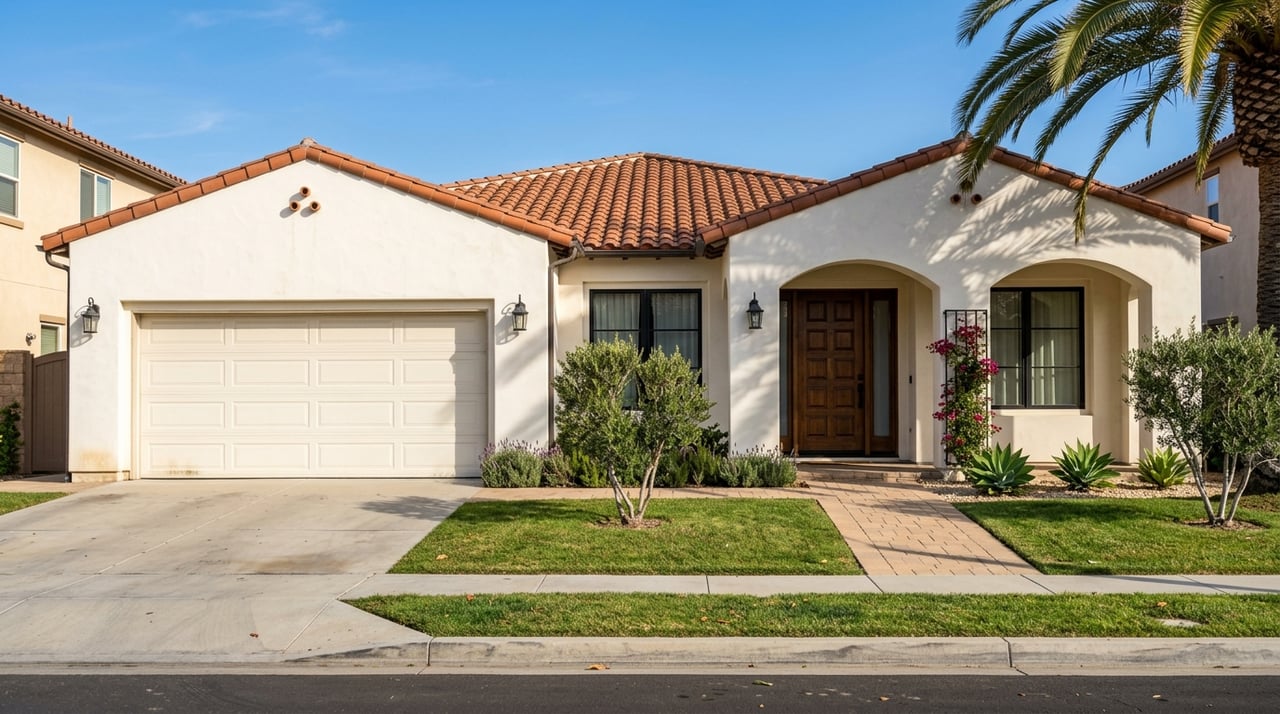
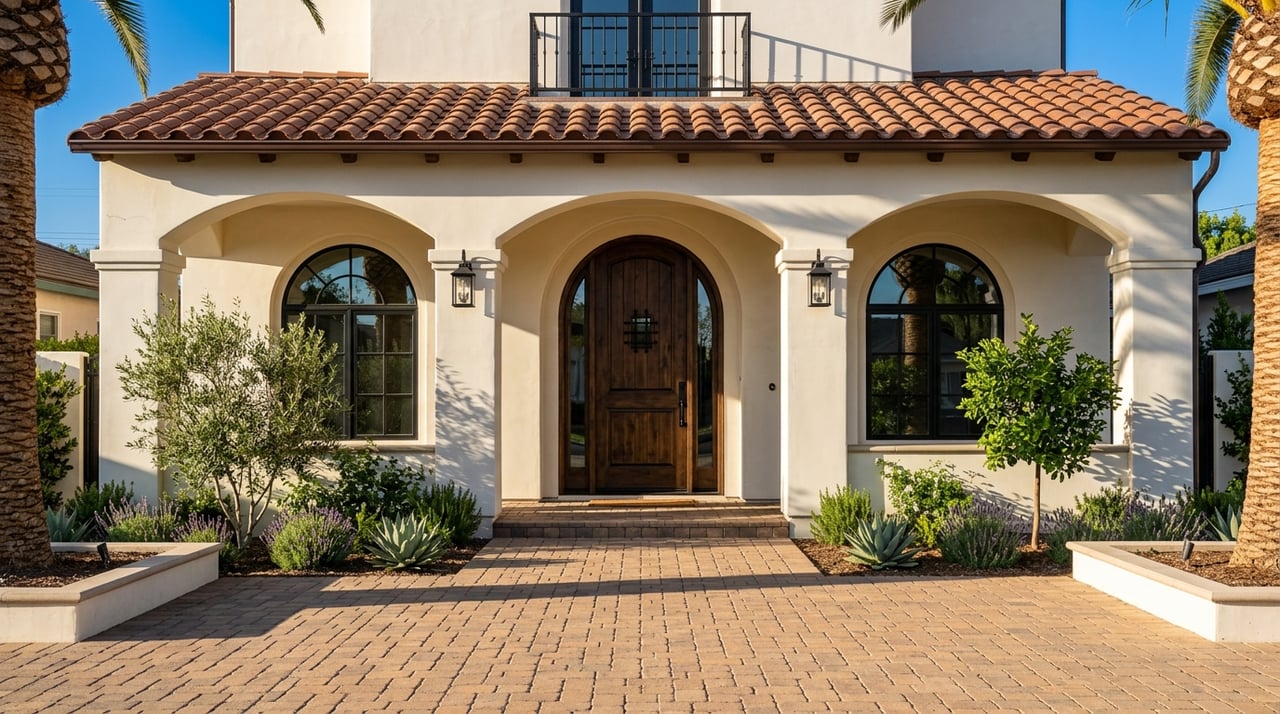
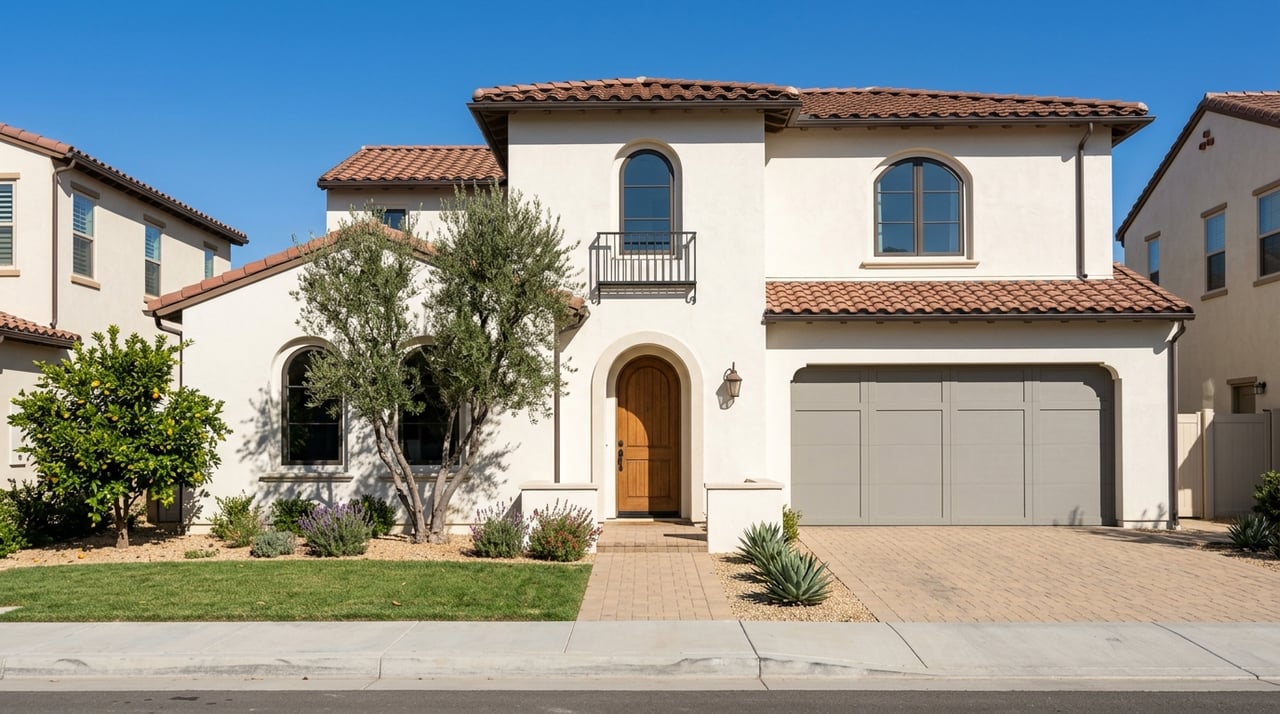
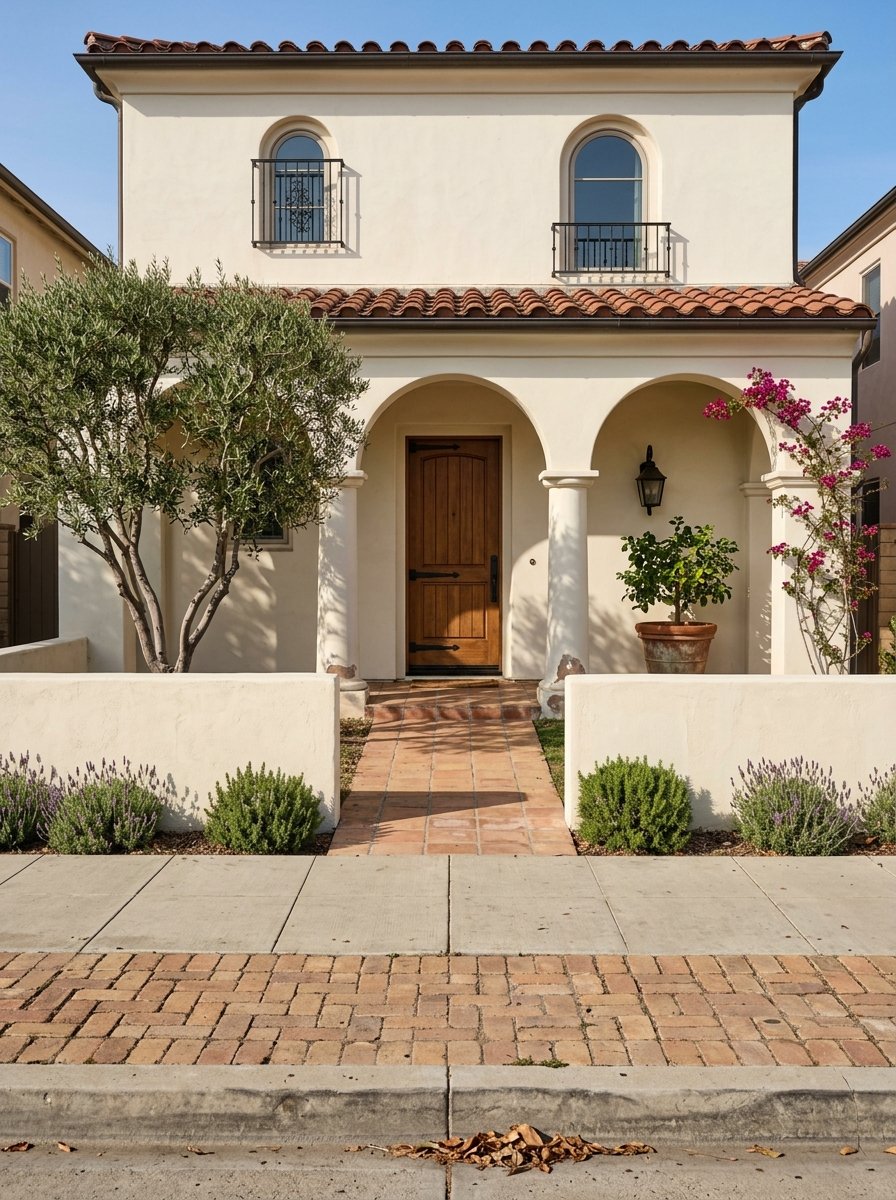
The area includes Victorian, Craftsman, and Spanish Colonial Revival homes on tree-lined streets. It is often associated with a strong pedestrian feel, which makes it one of the clearest examples of older Claremont’s walkable character.
Old Claremont
Old Claremont was the city’s first major residential expansion after Historic Claremont. Most homes were built between the 1920s and 1950s, and the area includes Modern, Spanish, Tudor, Ranch, and revival styles.
Many blocks use alleys for garage access, and some blocks still lack sidewalks. That mix is a good reminder that walkable living here can feel charming and practical, but it may not look polished or identical from one block to the next.
University Circle
University Circle is a smaller part of Old Claremont built between 1938 and 1951. It is known for smaller lots and minimal setbacks.
That tighter layout can support a more connected street feel. If you like homes that sit a bit closer together and feel tied into the surrounding neighborhood fabric, this area may stand out.
Village Residential
Village Residential sits north of the railroad tracks, south of Harrison Avenue, east of Cambridge Avenue, and west of the Village. The area includes apartments, courtyard structures, long houses, condominiums, and townhomes.
The city notes that it is within easy walking distance of the Village and the commuter train depot. If your priority is convenience and lower-maintenance living, this part of Claremont may be especially worth watching.
Walkable Does Not Mean the Same Thing Everywhere
One of the most useful things to understand is that “near the Village” covers more than one kind of experience. Some homes feel closely tied to the downtown core, while others sit on calmer residential streets where the Village is still nearby but not right outside your door.
That distinction matters when you tour homes. Two properties may both be marketed as close to Claremont Village, but one may support a much easier day-to-day walking routine than the other.
If you are buying, it helps to think beyond distance alone. Consider block patterns, crossings, shade, the route to the station or shops, and whether your likely destinations are actually part of your normal week.
Why This Matters for Buyers and Sellers
For buyers, walkable living near Claremont Village can offer a different kind of convenience than newer, more spread-out neighborhoods. The appeal often comes from daily flexibility, mature surroundings, older architecture, and a true sense of place.
For sellers, that same lifestyle can be part of what makes a property stand out. Buyers are often looking not just at square footage, but at how a home connects to the Village, transit, parks, and the surrounding street pattern.
That is why local context matters. In Claremont, the value of being near the Village is not only about location on a map. It is about how the area functions once you live there.
If you are trying to figure out whether a specific Claremont home supports the lifestyle you want, or how to position a Village-area property for sale, Jose Camejo can help you break down the neighborhood details and move forward with clarity.
FAQs
What does walkable living near Claremont Village usually mean?
- It usually means a car-light lifestyle where you can handle some errands, dining, events, and local outings on foot while still using a car or train for other trips.
What makes Claremont Village feel walkable compared with other areas?
- The Village combines a compact downtown layout, pedestrian-oriented design, shops and restaurants, public spaces, and access to the Claremont station.
What types of homes are near Claremont Village in Claremont?
- Nearby housing includes single-family homes, apartments, condominiums, townhomes, courtyard structures, and homes from several architectural periods.
Which Claremont areas are closest to the Village lifestyle?
- Historic Claremont, Old Claremont, University Circle, and Village Residential are all tied to the broader Village area, but each offers a different mix of housing and street feel.
Is Claremont Village living completely car-free?
- For most people, the area is better described as car-light rather than fully car-free because walking, parking, and transit all play a role.
How does the Claremont station support Village-area living?
- The station adds practical regional access with free parking, overnight parking in one lot, and connections to several transit services.