Buying your first single-family home in Ontario can feel exciting right up until the numbers, timelines, and competition start piling up. If you are trying to figure out what homes cost, how much cash you need, and how to make a smart offer without rushing, you are not alone. The good news is that Ontario still offers real opportunities for prepared first-time buyers who understand the local market and plan ahead. Let’s dive in.
Ontario Market Basics
Ontario’s detached-home market is still active, even though price growth has cooled compared with the previous year. In May 2026, Redfin reported a median sale price of $664,602, about 47 days on market, and an average of 3 offers per home. Zillow also showed a similar price picture, with an average home value of $670,844, a median sale price of $679,000, and homes going pending in around 25 days.
The exact numbers vary by source, but the big picture is consistent. Ontario is not an ultra-slow market, and well-priced homes can still attract quick attention. For you as a first-time buyer, that means preparation matters just as much as price.
A current search snapshot also showed a wide range of single-family homes on the market. Visible examples ran roughly from $595,000 to $998,000, with many listings clustered in the mid-$600,000s through the mid-$800,000s. That range is useful for planning, but you should treat it as a moment-in-time snapshot, not a fixed rule.
What First-Time Buyers Should Expect
You should expect some homes to receive multiple offers, especially if they are move-in ready and priced well. That does not mean every home turns into a bidding war, but it does mean you need to be ready to act when the right one appears. A strong preapproval and a realistic offer can make a real difference.
It also helps to remember that competitive does not have to mean reckless. In Ontario, a smart buyer often wins by being organized, responsive, and clear rather than simply offering the highest number without a plan. Clean paperwork and fast follow-through can help you compete without giving up protections you may need.
Ontario Home Styles You May See
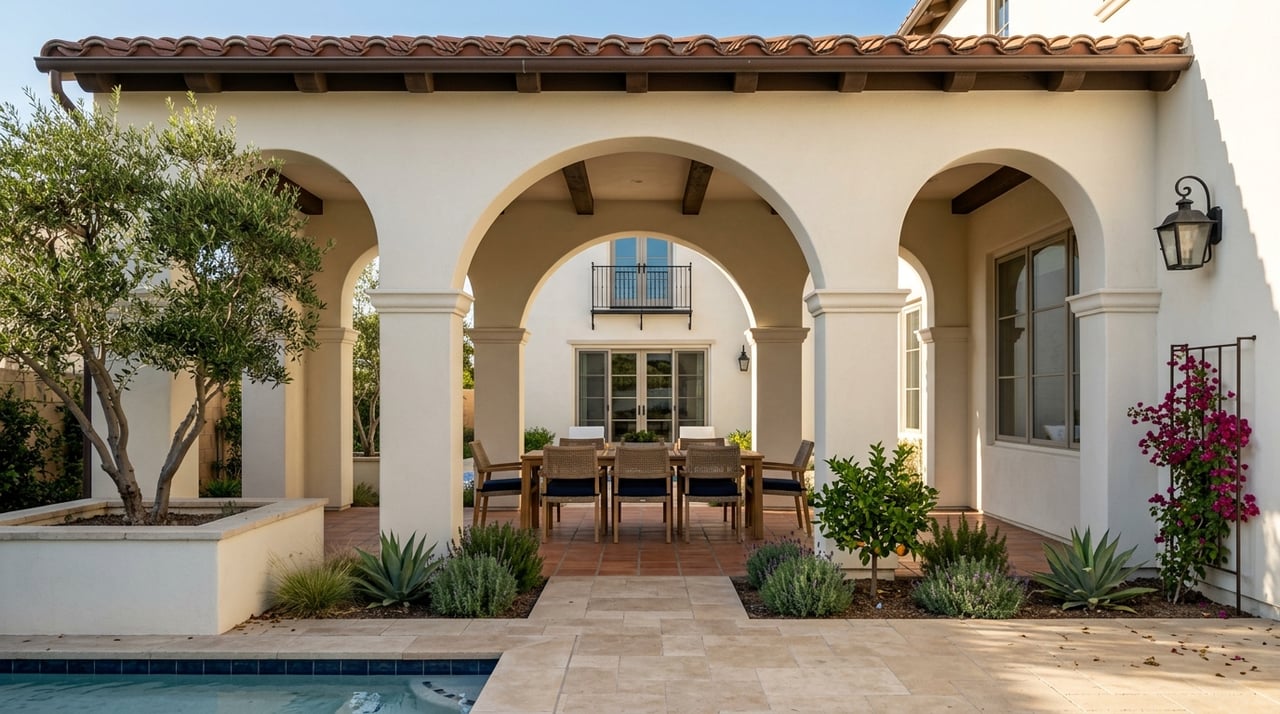
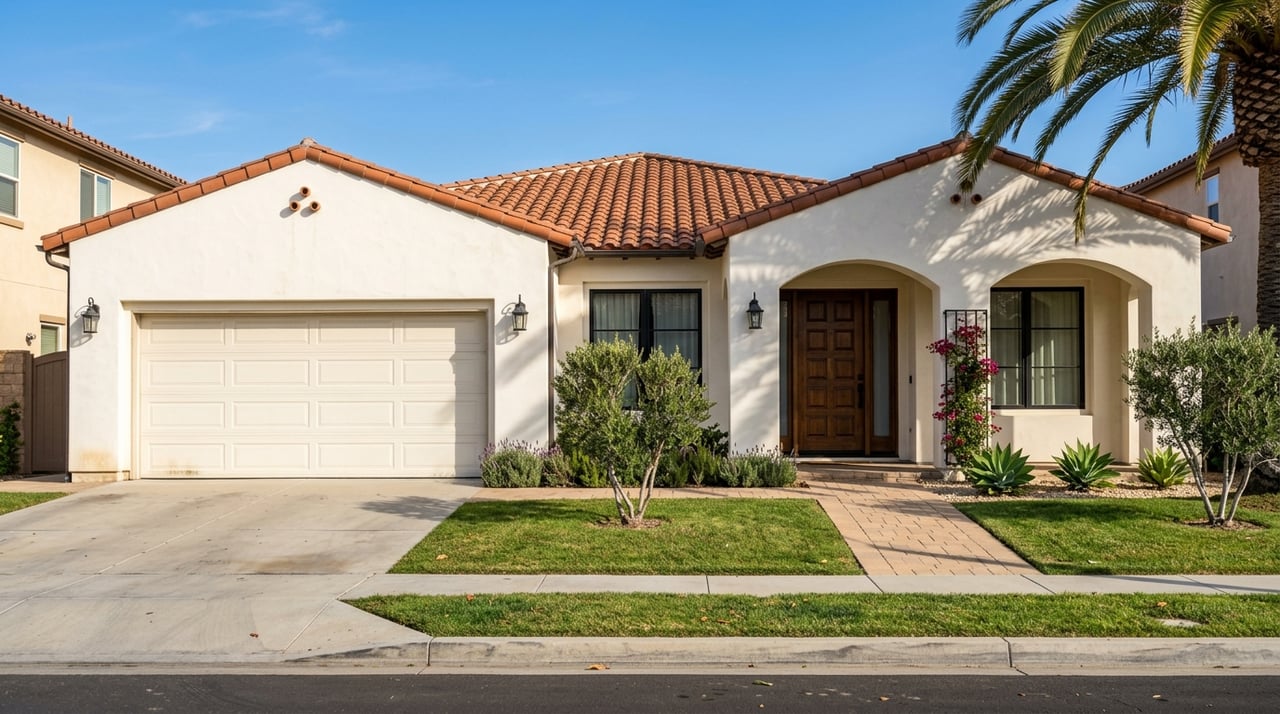
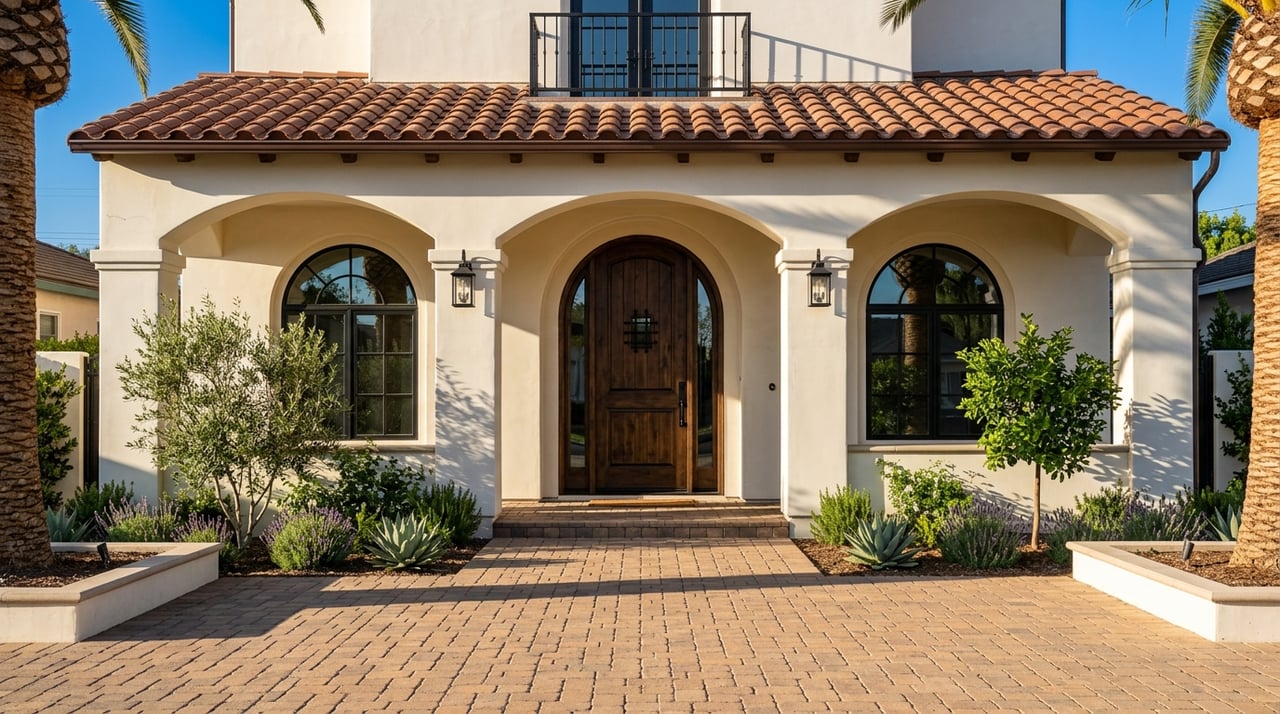
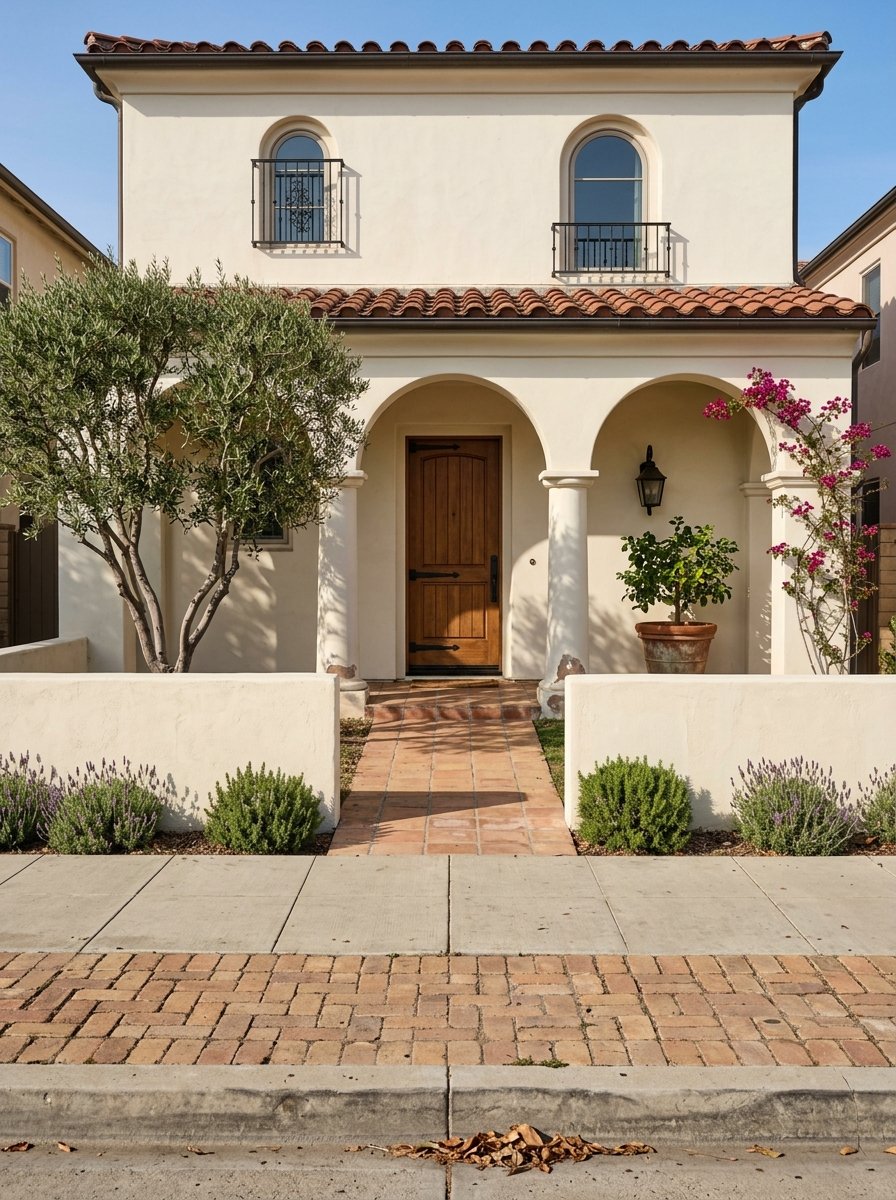
Ontario’s residential character includes a mix of Traditional, Spanish, Southwestern, and Transitional influences. In practical terms, you may see Colonial, Victorian, American Traditional, Farmhouse, Spanish Colonial, Spanish Revival, Mission, Monterey, Santa Barbara, Ranch, Craftsman, Bungalow, Territorial, Adobe, and newer interpretations of those styles.
That variety matters because not all single-family homes in Ontario come with the same upkeep needs. Some homes may have older layouts, aging systems, or exterior materials that need closer review. Others may be in newer planned areas with more updated finishes and design features.
How Style Affects Maintenance
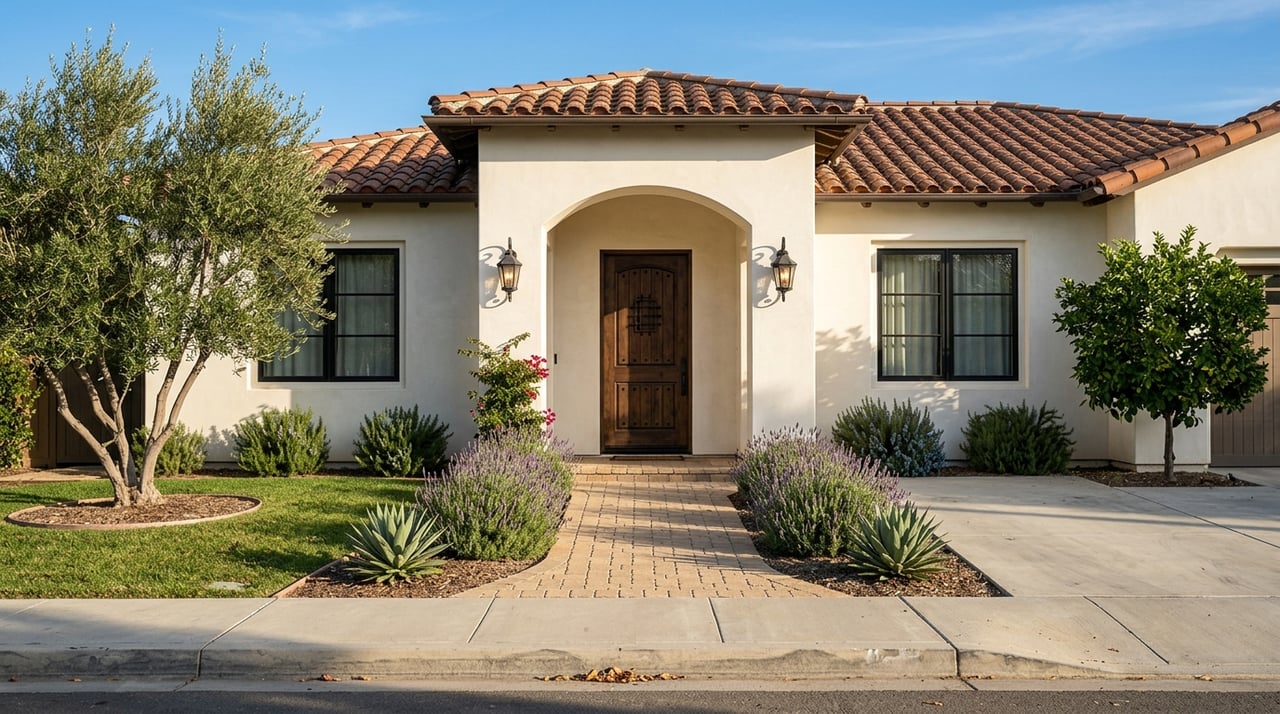
If you are touring Spanish-style or stucco homes, pay close attention to the roof, flashing, drainage, and exterior surfaces. Features like tile roofs, recessed openings, and stucco finishes can look beautiful, but they still need proper maintenance. Small issues outside can sometimes point to bigger repair needs later.
If you are looking at Ranch, Craftsman, or Bungalow homes, it is wise to think about roof condition, windows, plumbing, and HVAC. Some of these homes may have older system layouts, and deferred maintenance is a realistic possibility. This does not mean you should avoid them, only that you should inspect them carefully.
Budget Beyond The Down Payment
One of the biggest first-time buyer surprises is how many costs show up before closing. Your down payment is only part of the picture. Closing costs typically run about 2% to 5% of the purchase price, and that is separate from your down payment.
You should also leave room in your budget for moving expenses, basic furnishings, repairs, and an emergency reserve. If your down payment is less than 20%, mortgage insurance is typically required as well. Looking at the full monthly and upfront picture now can help you avoid stress later.
Understand Ontario Property Taxes
Property taxes are another important part of your monthly payment estimate. Under California’s Proposition 13, property tax is generally limited to 1% of assessed value plus local voter-approved indebtedness. Annual increases in base-year value are generally limited to 2%.
For added context, the California Board of Equalization reported that San Bernardino County’s average property tax rate was 1.133% in fiscal year 2023-24. Still, local tax rate areas can include added district charges. That is why it is smart to treat property taxes as home-specific and area-specific, rather than using one flat countywide estimate for every property.
First-Time Buyer Assistance Options
Ontario has a local program that may help eligible first-time buyers. The City of Ontario’s First-Time Homebuyer Program can provide up to $120,000 as a 30-year deferred second loan with no monthly payments for 30 years. Eligible property types include single-family detached homes, condominiums, and townhomes in the city.
The program requires an 8-hour HUD-approved homebuyer course and gives priority to current Ontario residents or employees. If you are renting in Ontario now or trying to move from a condo into a detached home, this may be an option worth reviewing early in your planning.
California programs may also help. CalHFA’s MyHome Assistance Program offers a deferred junior loan of up to 3.5% of the purchase price or appraised value for FHA loans, or 3% for conventional loans. CalHFA also requires homebuyer education for its programs.
CalHFA’s Dream For All program offers up to 20% of the purchase price or appraised value, capped at $150,000, for eligible first-generation buyers. However, the 2026 registration portal closed on March 16, 2026, so you should confirm whether a new round is available before relying on it in your homebuying strategy.
Get Preapproved Before Touring
Before you schedule a full weekend of showings, get preapproved. In a market where homes can still move quickly, preapproval helps you understand your budget and shows sellers you are serious. It also helps you narrow your search before you get emotionally attached to a home outside your comfort zone.
This step can save you time. Instead of guessing what works, you can focus on homes that fit both your payment goals and your likely financing terms. That makes every tour more productive.
Filter Listings Strategically
Ontario has enough inventory that online filtering is worth your time. Zillow showed 325 homes for sale and 111 new listings as of May 31, 2026, while Redfin reported 294 homes sold in May 2026. That gives you enough choice to be selective without assuming you can wait forever on every listing.
Use your search filters to screen for price, beds, baths, square footage, lot size, and days on market. If you are focused on detached homes, this can help you avoid wasting time on listings that look good online but do not match your actual needs. Touring fewer, better-fit homes is usually a smarter first-time buyer strategy.
What To Check During Tours
As you walk through homes, focus on condition as much as layout. Look at the roofline, windows, exterior surfaces, signs of drainage issues, and the general condition of kitchens, bathrooms, and flooring. You do not need to diagnose every issue on the spot, but you should notice red flags that may deserve a closer inspection.
Ask practical questions too. Find out whether there is an HOA, what the dues are, and whether there are any special taxes or assessments tied to the property. If the home has solar, confirm whether the system is owned, financed, or leased so your monthly cost estimate is accurate.
Why Inspections Matter
Once you are under contract, schedule an independent home inspector as soon as possible. If you can attend the inspection, that is even better. For a detached home, the most useful inspection checklist often includes the roof, electrical, plumbing, HVAC, foundation, and any septic or solar system, plus a pest inspection when appropriate.
California Department of Real Estate guidance also supports including contingencies in your offer for things like loan approval, repairs, and home or pest inspections. That matters because a first home is a major purchase, and you deserve time to verify what you are buying. It is also important not to sign blank forms.
Write A Clean, Competitive Offer
In Ontario, a competitive offer is often a clean, well-documented offer. That usually means solid preapproval, a realistic price supported by comparable sales, and reasonable timelines for inspections and financing. It is less about being extreme and more about being prepared.
Because homes often sell close to asking price, your offer should reflect real market conditions. At the same time, you do not need to strip away every protection to be taken seriously. A thoughtful offer can balance competitiveness with caution.
If closing costs are a challenge, seller credits may be worth discussing. These can sometimes help with your upfront cash needs, although they may come with a higher sale price. The key is understanding how the full deal structure affects your monthly payment and cash to close.
A Simple First-Time Buyer Path
If you want a practical game plan, keep it simple:
- Set your budget with down payment, closing costs, taxes, and reserves in mind.
- Get preapproved before you start touring seriously.
- Review local and state assistance options early.
- Filter listings online to focus on homes that fit your goals.
- Tour selectively and pay attention to condition, not just finishes.
- Inspect thoroughly once you are in contract.
- Write a clean offer with the contingencies you need.
This step-by-step approach can help you stay focused when the process starts moving fast. It also puts you in a better position to make decisions with confidence instead of pressure.
Buying your first single-family home in Ontario is a big move, but it does not have to feel overwhelming. With the right preparation, realistic budgeting, and local guidance, you can sort through the options and move forward with clarity. If you are getting ready to buy in Ontario, Jose Camejo can help you navigate the search, compare options, and build a smart offer strategy.
FAQs
How much do first-time buyers need to buy a single-family home in Ontario?
- You usually need your down payment, plus about 2% to 5% of the purchase price for closing costs, plus money for moving, repairs, and reserves.
Are Ontario single-family homes still competitive for first-time buyers?
- Yes. Recent local data shows Ontario detached homes still move at a meaningful pace, and well-priced homes can receive multiple offers.
What first-time buyer programs are available in Ontario, California?
- Eligible buyers may have access to the City of Ontario’s First-Time Homebuyer Program, CalHFA MyHome Assistance, and possibly Dream For All if a new funding round is available.
What should buyers inspect on older Ontario homes?
- Key items often include the roof, plumbing, electrical, HVAC, foundation, exterior condition, and pest issues where appropriate.
Do Ontario buyers need to budget for HOA dues or solar payments?
- Yes. If a home has an HOA, special assessments, or a solar system that is financed or leased, those costs should be reviewed before you write the offer.
How fast do single-family homes sell in Ontario, California?
- Recent reports showed about 47 days on market from one source and homes going pending in around 25 days from another, which points to a market where preparation still matters.